 EN
EN EN
EN

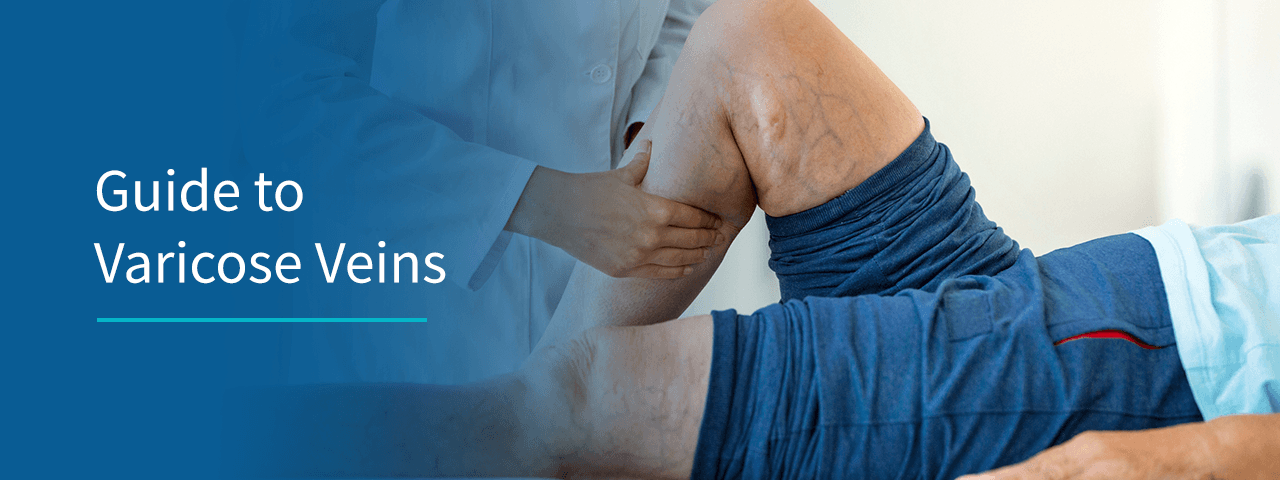
Varicose veins can be a cosmetic concern for some people, but for others, this condition is a medical condition causing pain and discomfort and is not healthy for the legs. When left untreated, varicose veins can evolve into different stages, indicating the presence of an underlying health condition, such as chronic venous insufficiency (CVI), which is when the tiny, one-way valves in your veins become damaged. Recognizing the stages of varicose veins can help you know if you need proper treatment before CVI becomes more prominent.
Read on to learn about the different stages of varicose veins.
If you suspect you have varicose veins, understanding the early stages and their causes can help you determine the severity of your situation. Spider veins, varicose veins, swelling, skin changes and ulceration are all related to the same problem: weakened vein valves that allow abnormal pressure to remain in the legs. Varicose veins occur when veins or their valves become weak or damaged, or they stop functioning properly, causing blood to leak through the valves and pool into the veins. When veins become full of blood, they expand. While varicose veins can happen in any body area, they most commonly appear in the legs.

Predicting how fast varicose veins will progress is difficult, as it depends on each case. In general, however, the development of varicose veins occurs in the following stages.
Before varicose veins appear, you could have spider veins, which are typically small and reddish-purple, throughout your legs. Even though spider veins are usually considered a cosmetic problem, they can cause symptoms of stinging, burning and itching. They are abnormal veins that are connected to other abnormal veins deeper in the leg.
Swollen veins are often the first indicator of having CVI when spider veins aren’t involved. This stage of varicose veins is when you see the traditional bulging veins that can become painful when left untreated, as the damaged valves in the veins are causing blood to pool in the legs. Stage two is often the best time to treat varicose veins.
As CVI progresses, varicose veins can evolve into other health problems, like edema. This ankle and leg swelling can occur throughout the day or after standing for long periods. At this stage, you will not experience any changes in the color or texture of your skin. Usually, patients experience heaviness, aching, and tiredness. In the early stages, the swelling is reversed by elevation, but as things progress, compression stockings are needed. In severe cases, even with compression garments, the swelling does not resolve. Swelling related to venous insufficiency must be addressed by treating the underlying vein pressure problem with vein treatment.
When you have CVI, your skin can change color and texture as the disease progresses, often due to prolonged periods of swelling that cause poor skin health. Your skin will develop brownish pigmentation and the quality of the tissues changes. The areas around the inside of the ankles can become hardened. You may also develop a skin irritation or inflammation called stasis dermatitis. This will itch and weep fluid. 5. Skin Changes With Healed Ulcerations
At this stage, the skin may experience cracking and be more susceptible to wounds. Any skin with scratches or injuries typically heals with treatment, but there may be scarring.
In the final stage of CVI and varicose vein development, you could develop leg ulcers that are difficult to heal unless the abnormal underlying veins are treated. If your condition worsens to this point, please reach out for treatment as soon as possible before any other complications happen.
Before varicose veins are visible, you may notice signs of vein complications. Some of the most common symptoms include:
Swollen feet: If you consistently have swollen and throbbing feet following a long day, you may have a higher risk of developing varicose veins.
Dull leg ache: Experiencing aches or cramps in your legs after doing any form of physical activity can be a sign of poor blood circulation.
Light red spots on legs: Be aware of changes in your skin, especially light red spots on your lower legs. These spots can indicate that blood vessels have become weak and burst.
Shiny legs: Before dark purple varicose veins rise to the surface, the skin on your legs may appear shiny or have an unnatural pigmentation. Your skin may also begin to itch or peel.
Heaviness in the legs: Feeling weightiness in your legs as you walk can indicate that blood is beginning to pool in your legs due to varicose veins. You may experience this feeling alongside the dull ache symptom.
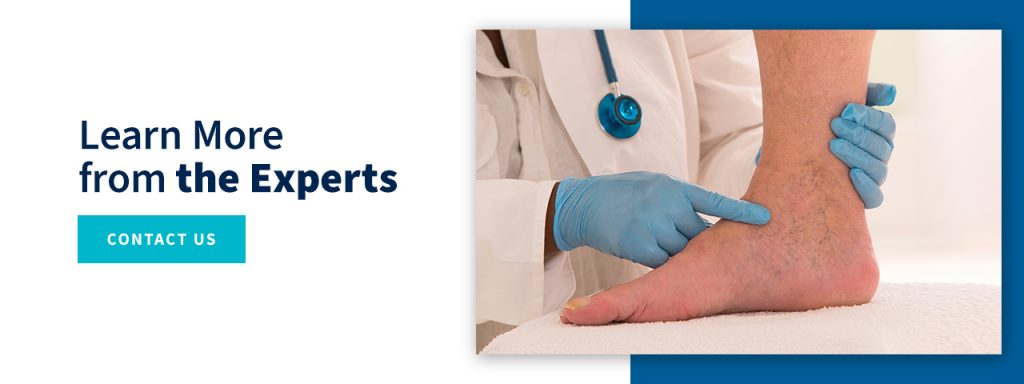
Treating varicose veins is vital to living your life pain-free. Learn more about varicose veins by checking out our guides or reaching out to know our doctors. Contact us today!